




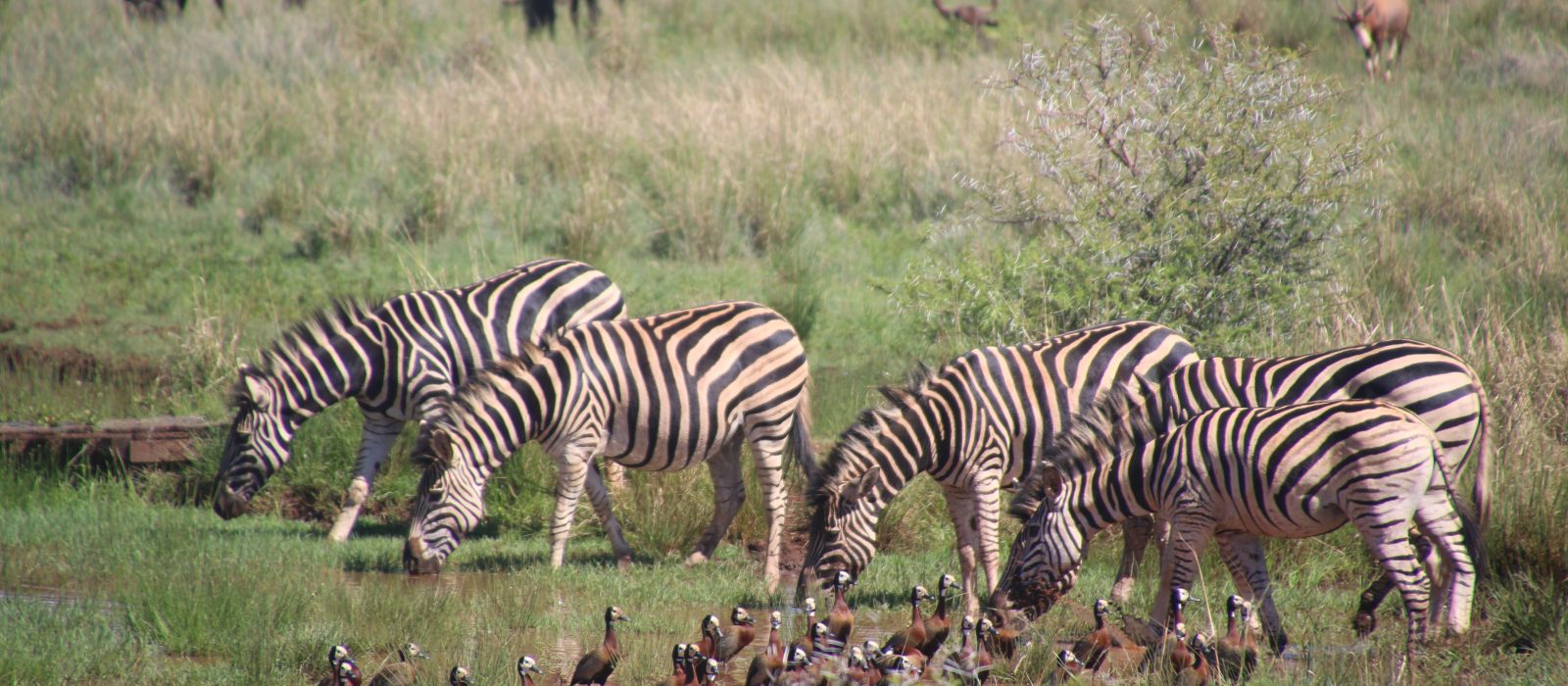
The Kalahari stretches out gold and endless, dust rising where a herd crosses at dusk. This is the Botswana most people picture. But ask anyone who’s actually been, and they’ll tell you the country’s real pull isn’t just the wildlife. It’s how deliberately Botswana has protected what it has.
Roughly 17% of the country’s land is set aside for national parks and game reserves, a striking figure for a nation that could have chosen differently. Formerly the British protectorate of Bechuanaland, Botswana gained independence on 30th September 1966. What followed is often held up as one of Africa’s clearest development success stories: under its first president, Sir Seretse Khama, the country turned newly discovered diamond wealth into decades of steady, prudent growth, moving from one of the poorest nations on the continent to a solidly middle income state, without the resource mismanagement that derailed so many of its neighbors.
Landlocked and vast, Botswana is bordered by South Africa to the south and southeast, Namibia to the west, Zimbabwe to the northeast, and touches Zambia at a narrow point in the north, one of the shortest international borders in the world. The Kalahari Desert covers close to 70% of the landscape, which is part of why the country is home to just 2.6 million people, most of them Tswana (about 79% of the population). It’s also why “Pula,” Botswana’s currency, literally means “rain” in Setswana. In a country this dry, rain isn’t just weather. It’s the national motto.
If you’re the kind of traveler who wants wide open space, real wildlife, and a country that still feels unhurried and uncrowded, this is it.
Budget to work with.
A useful reference point: a tourist spent $1,000 on ground costs for a seven day trip to Botswana, covering accommodation, food, local transport, and activities, not including international flights. That figure gives a realistic baseline for a modest, carefully planned week rather than a luxury safari trip.
Keep in mind Botswana runs on a high value, low volume tourism model, especially around its flagship safari destinations like Chobe and the Okavango Delta, where lodges tend to be priced well above budget safari options in neighboring countries. If your week is centered on Gaborone, Kgale Hill, and Mokolodi rather than a full Delta safari, a budget around $1,000 for ground costs is realistic. If a Chobe or Okavango lodge stay is on your list, budget significantly more for that portion specifically.
Chobe is generally the more affordable and accessible of the two, reached via Kasane Airport just 10 to 15 minutes from most lodges, with a direct daily flight from Johannesburg. The Okavango Delta, by contrast, requires a light aircraft transfer from Kasane or Maun and follows a deliberate “high end, low density” policy, which keeps it exclusive but pushes costs noticeably higher.
Where to stay
In the city (Gaborone) A solid, tested option is the Carpet Gem Apartment, a two bedroom unit just a three minute drive from the city center. It’s a practical base if you want to explore Gaborone itself before heading further out.
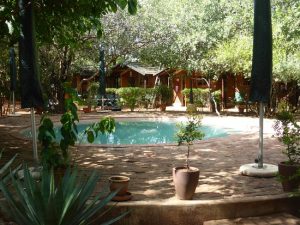
Mokolodi Nature Reserve has its own onsite resort, offering lodging alongside the reserve’s wildlife and scenery, and it’s often discounted on weekends, making it a good value pick if your trip includes a weekend.
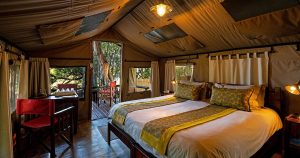
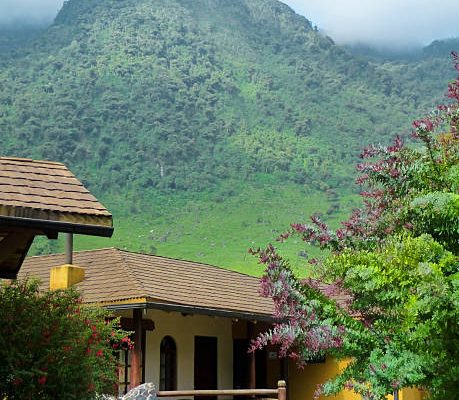
Photo credit: Chobe National Park
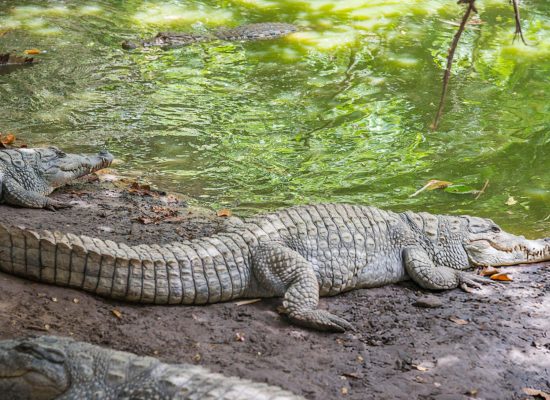
Another option is the Chobe River Lodge area is a well known base, close to both the airport and Chobe National Park, offering both water based safaris (boat trips past crocodiles, hippos, and elephants) and land based game drives. For the Okavango Delta, lodges are generally split between water based camps (accessible only by mokoro canoe or motorised boat) and land based camps (offering game drives and bush walks); several of the best sit within private concessions rather than inside Moremi Game Reserve itself, which allows for night drives and off road safaris not permitted within the park.
Things to do
Hike Kgale Hill. Nicknamed the “Sleeping Giant,” this granite hill sits on Gaborone’s southern outskirts, close to Game City Mall. The climb takes roughly 45 to 60 minutes and rewards you with panoramic views of Gaborone, Gaborone Dam, and, on a clear day, the mountains of South Africa in the distance. Expect company from a resident troop of baboons along the way. There’s no entrance fee to hike it, though parking at the base may cost a small fee (roughly BWP 10 to 20). One practical note: stick to mornings and go with others, since the area has had reports of safety issues near sunset.
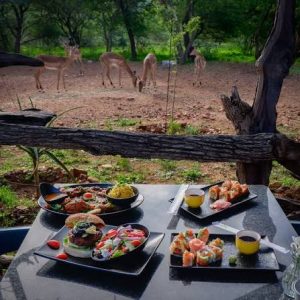
Have lunch at Mokolodi Nature Reserve. Just outside the city, Mokolodi lets you eat lunch while zebras and other wildlife graze nearby, a genuinely rare kind of meal. Stay longer if you like: the reserve’s resort offers lodging and scenery at a discount on weekends.
Eat and shop at Game City Mall. Beyond the usual mall offerings, this is a solid spot for street food and a market selling local cultural accessories and design pieces, worth a stop if you want to leave with something authentically Botswanan.
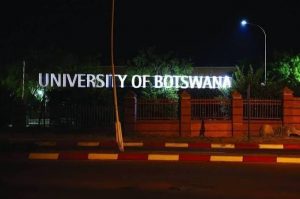
Photo credit: mmegi Online
Dig into the archives at the University of Botswana. For travelers who want context beyond the wildlife, the university holds a significant collection of records and artifacts documenting the country’s history, a worthwhile stop if you’re the kind of traveler who likes to understand a place, not just photograph it.
Try seswaa. This pounded beef dish, often served alongside sorghum porridge (bogobe), is one of the most commonly recommended tastes of home style Botswana cooking. Head toward Mafitlhakgosi Road for smaller, local eateries serving it well.
What’s the local currency like
Botswana uses its own currency, the Pula (BWP), divided into 100 thebe. As mentioned earlier, “Pula” means “rain,” a fitting name for the currency of a country where water is genuinely precious.
Final Thoughts
Botswana isn’t a destination that shouts for attention. It’s a country that rewards travelers willing to slow down. A week here can mean a quiet hike up a granite hill on the edge of the capital, a beef stew shared at a roadside table, and a lunch spent watching zebras graze a few meters away, long before you even get to the Delta. For a country this careful with what it has, that unhurried pace feels like the whole point.
A little bonus fact for the romantics: Botswana is the world’s second largest diamond producer, and its stones are widely considered among the finest in quality anywhere. So if a proposal is somewhere on your itinerary, or you just fancy yourself a bit of a gem collector, you might want to hold off on that ring until you land here.”

No Comment! Be the first one.